
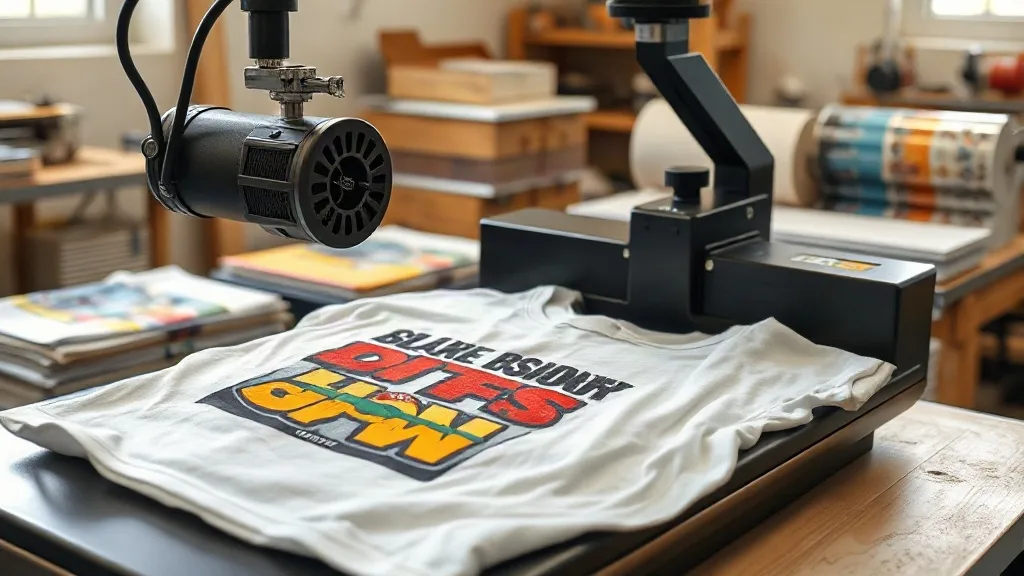
If you've been exploring custom apparel printing, you've likely heard about dtf transfers. This technology has rapidly gained traction for its ability to produce vibrant, durable prints on a wide range of fabrics without the complexity of traditional methods. Whether you're a small business owner, a hobbyist, or someone looking to personalize gifts, understanding DTF transfers can open up a world of creative possibilities. In this guide, we'll walk you through everything you need to know to get started and achieve professional results.
What Are DTF Transfers?
DTF stands for Direct to Film. It's a printing method where your design is printed onto a special film, coated with a powder adhesive, and then heat-pressed onto the fabric. Unlike DTG (Direct to Garment) printing, which requires pretreatment and works best on cotton, DTF transfers adhere to almost any fabric, including polyester, blends, and even nylon. This versatility makes it a favorite among those who print on diverse materials.
The process involves a few key steps: designing your artwork, printing it onto the film using specialized inks, applying a hot melt powder, and curing it. The result is a transfer that can be stored and used later, giving you flexibility in production.
Why Choose DTF Transfers?
There are several compelling reasons why dtf transfers have become a go-to solution for many in the printing industry.
- Fabric versatility: Works on cotton, polyester, blends, leather, and more.
- No weeding or masking: Unlike vinyl, there's no tedious cutting and weeding.
- Vibrant colors: Produces bright, detailed prints with fine lines and gradients.
- Durability: Prints withstand repeated washing without cracking or fading.
- Cost-effective for small batches: No minimum order quantities, ideal for custom items.
These advantages make DTF a strong contender against other methods like screen printing or sublimation, especially for small to medium runs.
How to Apply DTF Transfers
Applying DTF transfers is straightforward, but following the correct steps ensures a long-lasting, professional finish. Here's what you need:
- A heat press (or an iron with careful technique)
- Your DTF transfer
- Parchment paper or a Teflon sheet
- The garment you're decorating
Start by preheating your heat press to around 300-320°F (150-160°C). While it heats, pre-press the garment for a few seconds to remove wrinkles and moisture. Place the transfer onto the fabric with the printed side facing up. Cover it with parchment paper or a Teflon sheet to protect the press. Press with medium pressure for 10-15 seconds. Then, remove the garment from the press and let it cool completely before peeling off the film. For a softer feel, you can peel while warm, but cold peel often gives better adhesion. Finally, press again for a few seconds with the parchment paper to ensure the print is fully set.
Tips for Perfect Results
Even with the right equipment, small details can make a big difference. Here are some tips to elevate your DTF game:
- Test on scrap fabric: Always do a test press to dial in your settings.
- Use the right pressure: Too little pressure and the transfer won't adhere; too much and the ink can spread.
- Cool properly: Let the transfer cool completely before peeling for best results.
- Wash inside out: To prolong the life of your print, wash garments inside out in cold water and avoid bleach.
Common Challenges and Solutions
While DTF is forgiving, you might encounter some issues. Here's how to troubleshoot:
Transfer Not Sticking
If the transfer peels off, it could be due to insufficient pressure, temperature, or time. Increase these settings slightly and try again. Also, ensure the fabric is clean and dry.
Color Fading After Wash
This often happens if the transfer wasn't cured properly. Make sure you follow the post-press step. Also, check the quality of your DTF film and powder; cheaper materials may not hold up.
Stiff Feel
Some DTF transfers can feel a bit stiff, especially on large designs. Using a quality transfer and proper pressing can minimize this. Also, consider the fabric type; thinner fabrics may feel stiffer.
DTF vs. Other Printing Methods
How does DTF stack up against DTG, screen printing, and vinyl? Let's compare:
- DTG: Best for cotton, but requires pretreatment and can be costly for small runs. DTF works on more fabrics and has no pretreatment.
- Screen printing: Cost-effective for large orders but setup costs are high. DTF is ideal for small batches and complex designs.
- Vinyl: Great for simple designs but limited in color and detail. DTF offers full-color, photographic quality.
For many, DTF hits the sweet spot between quality, versatility, and cost.
Choosing the Right DTF Supplies
Not all DTF films and powders are created equal. When sourcing supplies, consider:
- Film thickness: Thinner films often provide a softer feel but can be trickier to handle.
- Powder type: TPU powder is standard; ensure it's compatible with your ink.
- Ink quality: Use DTF-specific inks for vibrant colors and durability.
- Printer compatibility: Ensure your printer is DTF-ready or converted properly.
Investing in quality supplies pays off in the long run with fewer failures and better-looking prints.
Frequently Asked Questions
Can I use DTF transfers on dark fabrics?
Absolutely. DTF transfers include a white ink base that allows them to show up vividly on dark colors. This is a major advantage over DTG, which often requires a white underbase for dark garments.
How long do DTF transfers last?
With proper application and care, DTF prints can last as long as the garment itself. They resist cracking, peeling, and fading through many wash cycles. Always follow washing instructions to maximize longevity.
Do I need a special printer for DTF?
You can convert a standard inkjet printer to use DTF inks, but it's essential to use DTF-specific inks and films. Many suppliers offer conversion kits. Alternatively, you can purchase a dedicated DTF printer for higher volume.
Can I stretch DTF prints?
DTF transfers have some elasticity, so they can stretch with the fabric to a degree. However, excessive stretching may cause cracking. For stretchy fabrics like spandex, consider using a transfer with a higher stretchability or applying with care.
What's the best way to store DTF transfers?
Store unused transfers in a cool, dry place, away from direct sunlight. Keep them flat or rolled, not folded, to prevent creases. Proper storage ensures they remain usable for months.
Final Thoughts
DTF transfers offer a powerful combination of versatility, durability, and ease of use that makes them an excellent choice for both beginners and professionals. By understanding the process, following best practices, and choosing quality supplies, you can create stunning custom apparel that stands out. Whether you're printing t-shirts for your brand or personalized gifts for friends, DTF technology empowers you to bring your designs to life on almost any fabric. So why not give it a try? With a little practice, you'll be producing flawless prints in no time.