
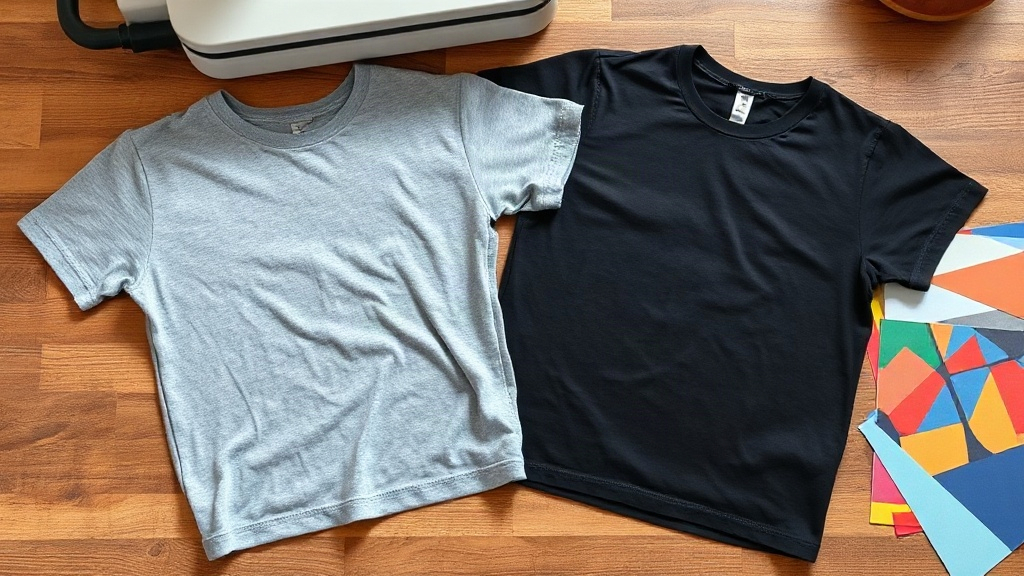
When you're creating custom apparel with DTF transfers, the blank you choose is just as important as the design itself. Two names that frequently come up in this space are Smart Blanks and Shaka Wear. Both offer quality options, but they cater to different needs and preferences. In this guide, we'll break down the key differences, help you understand which might be right for your project, and share practical tips for getting the best results with DTF transfers on each.
Why the Blank Matters for DTF Transfers
DTF transfers have revolutionized custom apparel by allowing vibrant, full-color designs on a wide range of fabrics. However, not all blanks are created equal. The fabric content, weave, and finish can affect how well the transfer adheres, how it feels, and how long it lasts. A poor match can lead to cracking, peeling, or a stiff hand feel. That's why understanding the characteristics of your blank is crucial.
Smart Blanks: The Budget-Friendly Workhorse
Smart Blanks are known for their affordability and consistent quality, making them a popular choice for startups, bulk orders, and promotional events. They typically offer a soft, ring-spun cotton feel that takes DTF transfers well. The fabric is usually 100% cotton or a cotton-poly blend, which provides a smooth surface for the transfer to bond with. However, some users note that Smart Blanks can vary slightly in size and shrinkage, so pre-washing is often recommended.
Shaka Wear: Streetwear Appeal and Heavyweight Options
Shaka Wear has carved a niche in the streetwear and urban fashion scene. Their blanks are often heavier weight, with a boxy fit that's trendy right now. The fabric is typically 100% cotton, and the brand is known for its durability and minimal shrinkage. For DTF transfers, Shaka Wear tees provide a sturdy canvas that can handle larger, more intricate designs without losing shape. The heavier fabric also means less chance of the transfer distorting during application.
Comparing Smart Blanks and Shaka Wear for DTF Transfers
Let's dive into the specifics to see how these two stack up against each other when used with DTF transfers.
Fabric and Feel
- Smart Blanks: Usually lighter weight (around 4.5 oz), soft ring-spun cotton. Ideal for a retail feel at a budget price.
- Shaka Wear: Heavier weight (5.5 oz and up), often with a boxy cut. Provides a premium, substantial feel.
Durability and Washability
- Smart Blanks: Can shrink slightly after first wash; DTF transfers may need gentle care to avoid premature wear.
- Shaka Wear: Minimal shrinkage, holds up well to repeated washing. DTF transfers tend to last longer due to the stable fabric.
Price Point
- Smart Blanks: Very affordable, often under $5 per shirt in bulk.
- Shaka Wear: Mid-range pricing, typically $7-$12 per shirt depending on quantity.
Best Use Cases
- Smart Blanks: Perfect for giveaways, team uniforms, and budget-conscious projects where quantity matters.
- Shaka Wear: Great for retail-ready streetwear, premium merch, and designs that demand a heavier drape.
How to Apply DTF Transfers to Each Blank
Application techniques can vary slightly depending on the blank. Here are some best practices for each.
Applying to Smart Blanks
Because Smart Blanks are lighter, they can be more prone to scorching. Use a lower temperature (around 300°F) and moderate pressure. Pre-press the shirt for a few seconds to remove moisture, then apply the DTF transfer for 10-15 seconds. Peel while warm for a smooth finish.
Applying to Shaka Wear
Shaka Wear can handle higher heat, so you can use standard settings (325°F, medium-heavy pressure) for 15-20 seconds. The heavier fabric may require a bit more pressure to ensure the transfer penetrates the weave. Peel hot or cold depending on the transfer film instructions.
Common Pitfalls and How to Avoid Them
Even with quality blanks, mistakes can happen. Here are some issues to watch for.
Adhesion Problems
If your DTF transfer peels or lifts, it's often due to insufficient pressure or temperature. Always test your heat press settings on a scrap piece of fabric first. For Smart Blanks, be cautious not to overheat, as the fabric is thinner.
Shrinkage and Fit
Smart Blanks may shrink up to 5% after washing. If you're selling these shirts, inform your customers or pre-shrink the blanks before applying transfers. Shaka Wear is pre-shrunk, so you can rely on consistent sizing.
Color Bleeding
Dark-colored blanks can sometimes cause the DTF transfer to appear dull if the white underbase isn't opaque enough. Ensure your transfer has a high-opacity white layer, especially when working with Shaka Wear's darker shades.
Which Should You Choose?
Your choice between Smart Blanks and Shaka Wear ultimately depends on your project goals and budget. If you're doing a large run of promotional tees and need to keep costs down, Smart Blanks are a solid option. They take DTF transfers well and offer a soft feel that many customers appreciate.
On the other hand, if you're building a streetwear brand or want a premium product that stands out, Shaka Wear is worth the investment. The heavyweight fabric and trendy fit make them a favorite among fashion-forward creators. Plus, the durability means your DTF transfers will look great wash after wash.
Frequently Asked Questions
Can I use DTF transfers on both Smart Blanks and Shaka Wear?
Yes, DTF transfers work well on both. Just adjust your heat press settings according to the fabric weight and follow the transfer manufacturer's instructions.
Do Smart Blanks shrink a lot after washing?
Smart Blanks may shrink slightly, typically around 3-5%. Pre-washing before applying DTF transfers can minimize surprises.
Are Shaka Wear shirts true to size?
Shaka Wear generally runs true to size, but their boxy fit means they have a roomier feel. Check the size chart for exact measurements.
Which blank is better for large DTF transfer designs?
Shaka Wear is often better for large designs because its heavier fabric provides a stable surface that won't stretch or distort during application.
How do I prevent DTF transfers from cracking on Smart Blanks?
Use proper heat press settings (lower temperature, moderate pressure) and wash the garment inside out in cold water. Avoid fabric softeners and dry on low heat.