
When you search for DTF transfers, you're likely looking for a way to create vibrant, durable custom apparel without investing in expensive equipment. If you've just typed "dtf transfers near me" into your browser, you're on the right track. But finding a local provider isn't just about convenience; it can also mean faster turnaround, better communication, and even cost savings. This guide will walk you through everything you need to know about locating trustworthy DTF transfers in your area, so you can make an informed choice that benefits your projects.
Understanding DTF Transfers: A Quick Overview
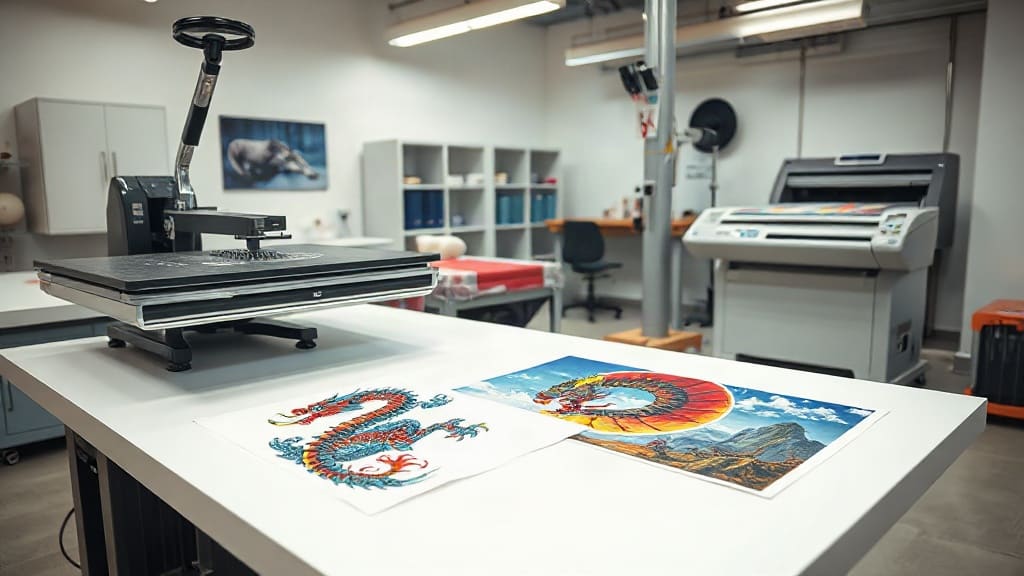
DTF, or Direct to Film, is a printing method where your design is printed onto a special PET film, coated with adhesive powder, and then heat-pressed onto fabric. The result is a soft, stretchable, and highly durable transfer that works on cotton, polyester, blends, and even tricky surfaces like nylon or leather. Unlike screen printing, DTF requires no screens, making it ideal for small runs, full-color designs, and detailed artwork.
Because of its versatility, many small businesses, print-on-demand sellers, and hobbyists rely on DTF transfers to produce custom shirts, hoodies, and accessories. While you can purchase a DTF printer and make your own transfers, many prefer to outsource this step to professionals, especially when starting out or when demand fluctuates.
Why Choose a Local DTF Provider?
Searching for "dtf transfers near me" implies you want a local connection. But what makes local providers so appealing?
- Faster Turnaround: No cross-country shipping means you can get your transfers in days, not weeks. This is crucial if you have a deadline or a last-minute order.
- Lower Shipping Costs: Often, local pickup can save you freight charges, which is a big deal for bulk orders.
- Direct Communication: You can talk to the printer face-to-face, ask questions, see samples, and get instant feedback. This helps avoid misunderstandings.
- Support Local Economy: You're helping a neighbor's business grow, which often comes with a more personal touch.
However, "near me" doesn't always mean the best quality. You need to vet potential providers carefully. Here's how.
How to Find DTF Transfer Providers Near You
Leverage Online Search and Maps
Start with a simple Google search using "dtf transfers near me" or "DTF printing [your city]." Pay attention to the local pack results and the map listings. Use Google Maps to see which businesses are within your radius. Check their websites, service lists, and customer reviews.
Ask for Recommendations
Reach out to local print shops, embroidery services, or apparel decorators. They often know who does quality DTF work or might offer it themselves. Join local Facebook groups for small business owners or attend networking events. Word-of-mouth is powerful.
Check Social Media and Online Marketplaces
Instagram and Facebook are hubs for DTF printers. Look for hashtags like #DTFprinting or #DTFtransfers along with your city. Many providers showcase their work there. Also, check Etsy or Fiverr but filter by location, though these platforms may have fewer local options.
Visit Local Trade Shows or Suppliers
If you're in a city with a printing industry, attend trade shows or visit local screen printing supply stores. They often have bulletin boards or can point you to customers who use DTF services.
What to Look for in a Trusted DTF Transfers Provider
Not all DTF transfers are created equal. Quality varies based on equipment, materials, and skill. Here are key factors to evaluate:
Print Quality and Resolution
Ask to see physical samples. Inspect the print for sharpness, color saturation, and white underbase. A good DTF transfer should have vivid colors and crisp edges. If the transfer looks pixelated or faded, move on.
Materials Used
Inquire about the type of film, ink, and adhesive powder. Premium providers use high-quality PET film, water-based or eco-solvent inks, and hot-melt adhesive that ensures strong bonding. This directly impacts washability and feel.
Turnaround Time and Reliability
Ask what their typical turnaround is. A local provider might offer same-day or next-day service for rush orders. Also, check if they have a track record of meeting deadlines. Read reviews on Google or Trustpilot.
Pricing Structure
Compare prices per square foot or per transfer. Be cautious of extremely low prices, as they might indicate compromised quality. A good provider will give transparent quotes, including setup fees and shipping if any.
Customer Service
How responsive are they? Do they answer questions patiently? Are they willing to provide test prints or proofs? Excellent communication is a sign of a reliable partner.
Technology and Equipment
While you don't need to see their machines, ask about their printer types (e.g., Epson, Mutoh, or Chinese models) and RIP software. Advanced setups often yield better results. Also, ask if they offer white toner or special effects like glitter or puff.
Questions to Ask Before You Place an Order
To avoid disappointment, prepare a list of questions. Here are some essential ones:
- What is your minimum order quantity (MOQ)? Some providers have no minimum, which is great for trials.
- Can you provide a sample or test print before I commit to a bulk order?
- What file formats do you accept? Vector files like AI or PDF are preferred, but do you handle PNG or JPG?
- How should I prepare my artwork? Do you offer design assistance or color correction?
- What are the wash and care instructions for the transfers?
- Do you offer discounts for repeat customers or bulk orders?
- What is your policy on defective transfers or order errors?
These questions help you gauge their professionalism and set clear expectations.
Benefits of Using Local DTF Transfers for Your Business
If you run a small apparel brand, using a local DTF transfers provider can be a game-changer. Here's why:
- Build a Relationship: A local partner can become a long-term ally. They understand your style and can offer advice on trends or material choices.
- Test New Products Quickly: Want to try a new design? A quick turnaround lets you test the market without overcommitting inventory.
- Overcome Inventory Issues: Instead of pre-printing large quantities, you can order transfers on demand and apply them as orders come in. This reduces waste and storage costs.
- Customize for Local Events: If you're selling at a local fair or event, you can order transfers and press them on-site with a heat press. This is a flexible business model.
Potential Pitfalls and How to Avoid Them
Even with local providers, things can go wrong. Here are common issues and tips to avoid them:
Inconsistent Quality
Some providers might produce great prints one day and poor ones the next. To mitigate this, order a small batch first. If the quality holds, scale up. Also, ask for references from other businesses.
Hidden Costs
Always get a written quote that includes all fees. Some providers charge extra for color matching, white underbase, or cutting. Clarify these upfront.
Adhesion Problems
If your transfers aren't sticking properly, it could be due to poor powder quality or incorrect press settings. Ensure your provider uses premium adhesive. Also, ask for recommended time/temperature/pressure.
Color Mismatch
Colors on screen don't always match prints. Ask if they provide a digital proof or a physical sample. If you're brand-conscious, consider ordering a custom color test.
DIY vs. Outsourcing: Which Is Better?
You might be tempted to invest in your own DTF printer. While that gives you full control, it requires a significant upfront cost (think $5,000 to $20,000) plus ongoing maintenance and learning curve. For many, outsourcing to a local expert is more cost-effective, especially if you're just starting. However, if you have high volume and consistent demand, owning a printer might be worth it. Weigh your needs carefully.
How to Build a Lasting Relationship with Your DTF Provider
Once you find a reliable local provider, nurture that relationship. Here are some tips:
- Always provide clear, high-resolution artwork with proper bleed.
- Communicate deadlines well in advance.
- Pay on time and be respectful of their production schedule.
- Offer feedback on print quality to help them improve.
- Refer other businesses to them if you're satisfied.
A good provider will value you as a partner and prioritize your orders.
Conclusion
Searching for "dtf transfers near me" is a smart move for your apparel projects. Local providers offer speed, convenience, and a personal touch that online giants can't match. By following the tips in this guide, you can find a trusted partner who delivers high-quality DTF transfers that meet your needs. Remember to test samples, ask the right questions, and build a mutually beneficial relationship. With the right local printer, your custom apparel ideas can come to life efficiently and beautifully.
Frequently Asked Questions
What is the difference between DTF and sublimation?
DTF and sublimation are both popular transfer methods, but they differ in key ways. Sublimation requires polyester fabrics or a polymer coating and uses heat to turn solid dye into gas, which bonds with the fabric. It's great for all-over prints and athletic wear but doesn't work on dark or 100% cotton garments. DTF, on the other hand, can be applied to a wide range of fabrics, including cotton, polyester, and blends, and it can handle dark colors because of the white underbase. DTF transfers also feel softer and are more durable for everyday wear.
How long do DTF transfers last?
With proper application and care, DTF transfers can last as long as the garment itself. They are designed to withstand repeated washing and stretching without cracking or fading. To maximize longevity, follow the care instructions: wash inside out in cold water, avoid bleach, and tumble dry on low. Also, ensure you use the correct heat press settings (typically around 160-170°C for 10-15 seconds) to achieve a strong bond.
Can I use DTF transfers on materials other than shirts?
Yes, DTF transfers are incredibly versatile. They work on t-shirts, hoodies, sweatshirts, tote bags, hats, and even shoes. You can also apply them to aprons, pillowcases, and other fabric items. As long as the surface can withstand the heat and pressure of a heat press, you can use DTF transfers. Just be careful with heat-sensitive materials like nylon or some performance fabrics, which might require lower temperatures or a quick test.
How much do DTF transfers cost?
The cost of DTF transfers varies based on factors like size, quantity, and complexity. Generally, a standard 8x8 inch transfer might cost between $1 and $3 when ordered in bulk. Smaller quantities will be more expensive per unit. Setup fees are often waived for larger orders. Local providers might offer competitive pricing because they save on shipping. Always get a detailed quote to understand the total cost.
Do I need a heat press to apply DTF transfers?
Yes, you need a heat press and a compatible heat transfer tape or cover sheet to apply DTF transfers properly. While some people attempt using a home iron, a heat press provides consistent pressure and temperature, which is crucial for a durable bond. If you're just starting, a basic 15x15 inch heat press is a good investment. Alternatively, you can ask your local DTF provider if they offer pressing services or rent out their equipment.