
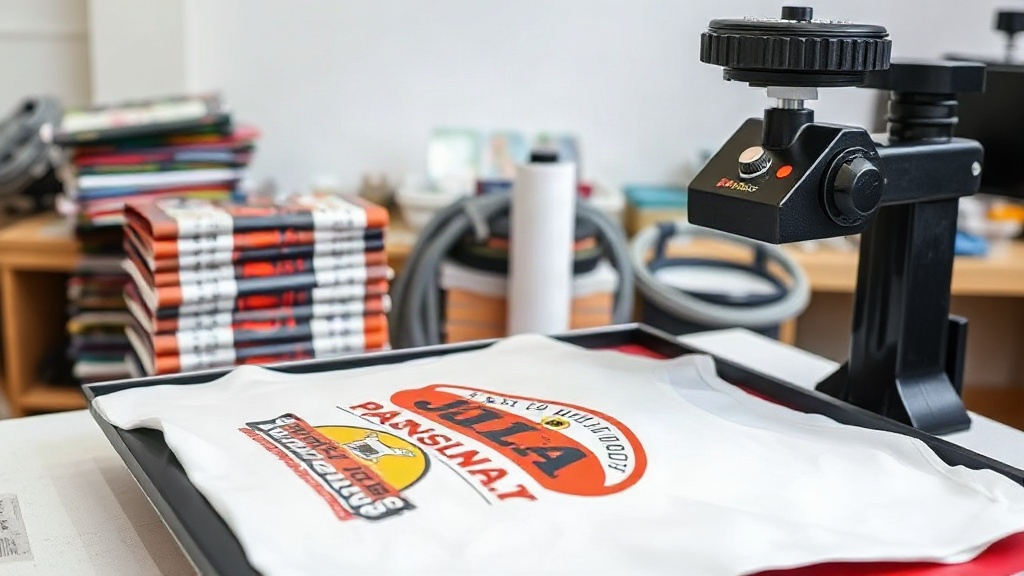
Imagine pressing a vibrant, full-color design onto a cotton t-shirt or a polyester tote bag without the mess of screens or the limitations of vinyl. That's the promise of DTF transfers, a digital printing technology that has taken the garment decorating world by storm. Whether you're a hobbyist or a small business owner, understanding DTF transfers can open up a world of possibilities for custom apparel. In this guide, we'll walk you through what DTF transfers are, how they work, and how to apply them like a pro.
What Are DTF Transfers?
DTF stands for Direct-to-Film. It's a printing method where your design is printed onto a special film using water-based inks, then coated with a hot-melt adhesive powder. Once the powder is cured, the transfer is ready to be applied to fabric using a heat press. Unlike DTG (Direct-to-Garment) printing, which prints directly onto the garment, DTF transfers allow you to print on a wide range of fabrics, including cotton, polyester, blends, and even nylon. The process is versatile, cost-effective, and produces incredibly durable prints.
Why Choose DTF Transfers?
There are several reasons why DTF transfers have become a favorite among decorators. Let's break down the key benefits:
- Fabric versatility: Works on almost any fabric, including dark and light colors.
- No weeding or masking: Unlike vinyl, there's no tedious cutting and weeding involved.
- Full-color designs: Achieve photorealistic images with gradients and fine details.
- Durability: Prints resist cracking, peeling, and fading even after multiple washes.
- Cost-effective for small batches: No setup fees or minimums, making it ideal for custom orders.
How DTF Transfers Work: Step by Step
Understanding the process from start to finish helps you appreciate the magic behind DTF transfers. Here's a simplified breakdown:
- Design preparation: Create your artwork in a graphics program and mirror it horizontally before printing.
- Printing: The design is printed onto a PET film using a DTF printer with CMYK and white inks.
- Powdering: While the ink is still wet, a hot-melt adhesive powder is applied evenly over the design.
- Curing: The powder is melted and cured using a heat source, typically a heat press or oven.
- Transfer: The film is placed on the fabric and pressed with heat to transfer the design.
- Peeling: After pressing, the film is peeled away (hot or cold peel depending on the film), leaving the design bonded to the fabric.
Materials and Equipment You'll Need
To get started with DTF transfers, you'll need a few key items:
- DTF printer: A dedicated printer that uses DTF inks and prints onto film.
- DTF film: Special PET film designed to release the print cleanly.
- Adhesive powder: Hot-melt powder that acts as the glue between the print and fabric.
- Heat press: For curing the powder and applying the transfer.
- Heat-resistant tape: To hold the transfer in place during pressing.
If you're not ready to invest in a printer, you can purchase pre-made DTF transfers from suppliers and apply them with just a heat press.
Step-by-Step Application Guide
Applying a DTF transfer correctly is crucial for a professional finish. Follow these steps:
1. Preheat Your Heat Press
Set your heat press to the temperature recommended by your transfer supplier. Typically, it's around 325°F (160°C).
2. Position the Transfer
Place your garment on the press and position the DTF transfer with the design facing up. Use heat-resistant tape to secure it if needed.
3. Press
Close the press and apply medium pressure for 15-20 seconds. Adjust time based on your press and film type.
4. Peel
Carefully peel the film away. Most DTF transfers are cold peel, meaning you wait until it cools down. Some are hot peel, so check instructions.
5. Post-Press (Optional)
For extra durability, you can cover the design with parchment paper and press again for a few seconds.
Common Mistakes to Avoid
Even seasoned pros can slip up. Here are pitfalls to watch for:
- Insufficient pressure: Leads to poor adhesion and early peeling.
- Wrong temperature: Too low and the powder won't melt; too high and the film may distort.
- Not pre-pressing the garment: Moisture can cause steam and affect bonding.
- Peeling too soon or too late: Always follow the film's peel instructions.
DTF vs. Other Printing Methods
How does DTF stack up against DTG, screen printing, and vinyl? Here's a quick comparison:
- DTG: Best for 100% cotton, but requires pretreatment and can be less durable on dark shirts.
- Screen printing: Cost-effective for large orders but has setup costs and limited colors per screen.
- Vinyl: Great for simple designs but limited to one color per layer and requires weeding.
- DTF: Versatile, full-color, no weeding, and works on many fabrics. Ideal for small to medium batches.
Tips for Long-Lasting DTF Prints
To ensure your DTF transfers stand the test of time, follow these care tips:
- Wash garments inside out in cold water.
- Avoid bleach and fabric softeners.
- Tumble dry on low or hang dry.
- Iron inside out, never directly on the print.
Frequently Asked Questions
Can I use DTF transfers on dark fabrics?
Absolutely! DTF transfers include a white ink layer that makes colors pop on dark backgrounds. This is one of their biggest advantages over DTG.
How durable are DTF transfers?
When applied correctly, DTF transfers can last as long as the garment itself. They resist cracking, fading, and peeling even after 50+ washes.
Do I need a special printer for DTF?
Yes, you need a DTF printer that uses DTF inks and can print onto film. However, you can also buy pre-printed transfers from suppliers and apply them with a heat press.
What's the difference between hot peel and cold peel DTF film?
Hot peel film is peeled immediately after pressing while still hot. Cold peel film must cool completely before peeling. Always check the film's instructions.
Can I stretch DTF prints?
DTF transfers have some stretchability, making them suitable for stretchy fabrics like spandex blends. However, extreme stretching may cause cracking over time.
Final Thoughts
DTF transfers are revolutionizing the custom apparel industry with their versatility, durability, and ease of use. Whether you're printing t-shirts for your team or starting a clothing brand, DTF offers a reliable way to bring your designs to life. With the right equipment and a bit of practice, you'll be creating professional-quality garments in no time. So why not give DTF a try? Your creativity is the only limit.