
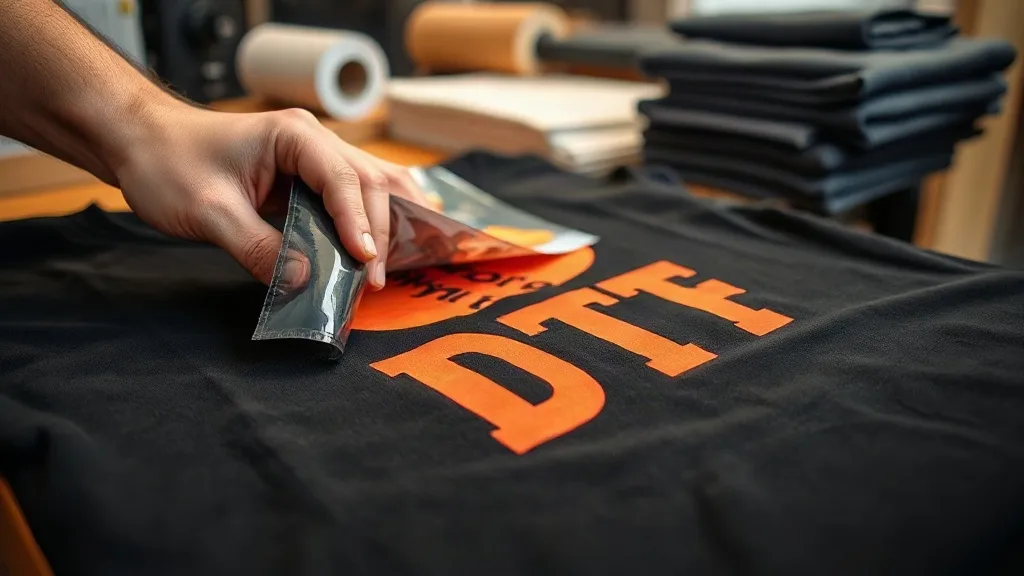
You've just applied a vibrant dtf transfers design to a favorite t-shirt, and it looks fantastic. But after a few washes, cracks start to appear, and the colors fade. It's frustrating, especially when you've invested time and money. The good news is that with the right techniques, you can significantly extend the life of your DTF prints and keep them looking fresh for years. In this guide, we'll share practical, experience-based advice on washing, storing, and applying dtf transfers to prevent cracking and fading. Whether you're a hobbyist or a small business owner, these tips will help you deliver better results and keep customers happy.
Why DTF Prints Crack and Fade
Before diving into prevention, it's helpful to understand why prints deteriorate. DTF transfers consist of a thermoplastic polyurethane (TPU) film adhered to fabric with a powdered adhesive. Over time, factors like improper washing, heat exposure, and poor storage can break down the adhesive and cause the film to crack or peel. Even the highest-quality dtf transfers are not immune, but proper care can dramatically slow the process.
The Role of Fabric and Adhesive
The type of fabric plays a big role. Cotton and cotton blends tend to hold prints well, while stretchy synthetics may cause the film to stretch and crack. Additionally, the quality of the adhesive powder matters. Cheaper powders may not bond as strongly, leading to premature failure. When sourcing dtf supplies, choose reputable suppliers who use high-grade adhesives.
Proper Washing Techniques to Prevent Cracking
Washing is the most common culprit behind cracked prints. Follow these steps to minimize damage:
- Turn the garment inside out before washing. This reduces friction and protects the print from rubbing against other items.
- Use cold water (max 30°C/86°F). Hot water can soften the adhesive and cause the film to lift.
- Choose a gentle cycle with low spin speed to reduce mechanical stress.
- Use a mild detergent without bleach or fabric softeners, which can leave residues that weaken the bond.
- Avoid washing with heavy items like jeans or towels that can abrade the print.
If you're using a dryer, set it to low heat or air-dry the garment. High heat is a major enemy of DTF prints. For best results, hang dry or lay flat to dry.
Hand Washing for Delicate Prints
For especially delicate designs or garments you want to preserve, consider hand washing. Gently agitate the item in cold water with a small amount of detergent, then rinse thoroughly and pat dry with a towel. This method is time-consuming but can significantly extend print life.
Storage Tips to Maintain Print Integrity
How you store your garments between wears also matters. Avoid cramming them into a crowded closet where they rub against other clothes. Hang them or fold them neatly with the print facing inward. Exposure to direct sunlight can cause fading, so store in a cool, dark place. If you're storing dtf transfers before application, keep them in a cool, dry environment away from direct heat and moisture.
Application Best Practices for Longer-Lasting Prints
The application process sets the foundation for durability. Here are key steps to ensure a strong bond:
- Pre-press the garment: This removes moisture and wrinkles, creating a smooth surface for adhesion.
- Use the correct temperature and pressure: Follow the transfer supplier's recommendations. Too little heat or pressure results in poor adhesion; too much can scorch the fabric or melt the film.
- Peel correctly: Wait for the transfer to cool completely before peeling (cold peel) if that's what your transfer requires. Peeling too early can stretch the film and cause micro-cracks.
- Post-press for extra durability: After peeling, cover the print with a Teflon sheet or parchment paper and press again for a few seconds. This ensures even adhesion and smooths the film.
These steps may add a minute to your process, but they pay off in longevity.
Choosing Quality Transfers and Supplies
Not all dtf transfers are created equal. Investing in high-quality transfers from a reputable source can save you headaches later. Look for transfers that use premium TPU films and adhesives designed for durability. If you're searching for dtf transfers near me, check reviews and ask for samples to test before committing to a large order. Quality materials may cost a bit more upfront, but they reduce returns and enhance customer satisfaction.
Frequently Asked Questions
How can I prevent DTF prints from cracking after washing?
Wash garments inside out in cold water on a gentle cycle, avoid fabric softeners, and air dry or tumble dry on low. Proper application and using high-quality transfers also play a crucial role.
Can I iron over a DTF print?
Never iron directly on the print. If needed, iron the garment inside out or place a cloth over the print and use low heat. Direct heat can melt the film and cause damage.
How long do DTF transfers last?
With proper care, DTF prints can last 50+ washes or more. Longevity depends on fabric type, application quality, and washing habits.
Are DTF transfers suitable for stretchy fabrics?
Yes, DTF transfers can work on stretchy fabrics, but the film may crack if stretched excessively. Using a stretchable transfer and proper application can minimize this.
Where can I find high-quality DTF transfers?
Look for reputable suppliers with positive reviews and a focus on quality. If you're searching for dtf transfers near me, consider online stores that specialize in DTF products and offer samples.